How to Choose the Right Lifting Bail for Safe Loads
The first step in selecting the right lifting bail is to understand how the weight behaves while it is off the ground. Weight . Direction of lift . Balance . Strength . Condition of the material . A smooth lift or a danger . Each aspect of the selection of a lifting bail is vital as it binds the load to the hook, sling or shackle. This book takes you through the practical issues that buyers, riggers and site supervisors have to deal with, from rating and shape to materials and pre-use inspections, so that you may confidently match the correct bail to any job.
What Working Load Limit Should a Lifting Bail Have for Your Load?
Start With the Full Weight of the Load
Every selection starts with an exact load weight. Add the primary equipment and any attachments, fluids, packing or temporary fittings that come with it. Never choose a lifting bail based on an estimate or a nameplate number that may be out of date. If feasible, weigh the load or utilise confirmed drawings. Once you know the real weight you may compare it to the rated capacity marked on each lifting bail and shortlist only those with unambiguous verifiable ratings.
Apply Design Factors and Dynamic Allowances
Real lifts are seldom ever entirely smooth. Starting, halting, swinging and wind all impart force beyond the static weight. A well selected lifting bail will have a working load limit that gives a comfortable buffer over the heaviest projected load, including these dynamic impacts. Many teams allocate a little more for numerous lifts or difficult terrain. Select a bail with a large rating and an established design element to make each lift predictable and the remainder of the rigging protected.
Match the Rating to Angles and Number of Points
The rating on a lifting bail applies only under certain circumstances, often a straight, in-line draw. Splayed slings increase the strain in each leg, therefore a bail must bear more than a basic portion of the weight. See the manufacturer’s datasheet for the angle actually used. If the lift employs two or four bails, check that each lifting bail can carry its part, even if the load varies slightly during the raise.
Lifting Bail Geometry and Load Alignment: Matching the Bail to the Lift Direction
Bail Shape and Pin Opening
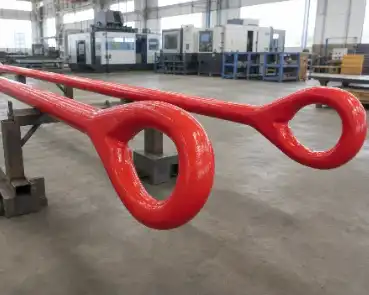
The design of a lifting bail will determine how easily it takes a hook, shackle or sling. A big rounded eye makes the hardware rest securely without pinching. Proper sizing of the pin opening prevents side pressure on the connexion. Order hardware to be attached to the lifting bail. Allow for free mobility. Measure and confirm interior dimensions. A good fit will ensure the force travels in the strongest part of the bail and reduce the wear at the contact points.
Aligning the Pull With the Bail Axis
The finest lifting bail is one that pulls in the direction it was intended to pull. Most bails are designed for in-line loading, others are designed for angle or side pulls within limitations. Observe how your slings will enter the bail, then choose a model whose design matches that path. In the lift from the first inch there is a feeling of control when the load line and bail axis agree. The bail is equal in its weight, the rigging steady.
Choosing Between Fixed and Swiveling Designs
For certain projects a permanent lifting bail is needed so it stays in place and makes rigging predictable. Some include a rotating lifting bail that may be rotated to allow the sling to follow the swing or positioning of the weight. Consider if the load will need to be rotated when mounted, e.g. mounting equipment on a skid or on a rack. The correct design of the task prevents sling twist and puts the load within the control of the crew.
How Does Center of Gravity Affect Lifting Bail Selection and Load Stability?
Locating the Center of Gravity Before Selecting Hardware
The position of each lifting bail is dictated by the center of gravity ( where the load is balanced ). Find it using manufacturing data, drawings or a short test lift. Heavy fittings, offset tanks, loads with motors at one end are seldom centrally located. With this fundamental understanding, you may choose a lifting bail that works for each connection point, so your end rigging design delivers a constant, balanced lift rather than a last-minute switcheroo.
Positioning Lifting Points for a Level Lift
For a level lift, the hook must be set above the center of gravity and each lifting bail so positioned that the sling legs will bear the load in proportion. If the construction permits, place the bails in a symmetrical position relative to that point. Where load is not uniform, change sling lengths or pick various bail ratings to be used at each place. Correct positioning of each lifting bail prevents the load from tilting, which provides for smoother landing and reduces stress on the bail and the structure below.
Using Multiple Bails to Share Load and Improve Stability
With two, three or four lifting bail points you may spread the load over a broader area and strengthen the stability of the rigging. If numerous bails are used, each bail should be rated for more than its share since little differences in sling length or load configuration might change the distribution. Matching size and rated bails help the load hang reliably. A good succession of lifting bail points gives a long or wide load a more steady, controlled passage through the air.
Lifting Bail Materials and Construction for Demanding Lifting Applications
Alloy Steel and Heat Treatment
The material determines the strength and toughness of a lifting bail. High strength and strong shock resistance have led to the broad usage of the quenched and tempered alloy steel which is suitable for oilfield, construction and industrial lifting. Request material grade, heat treatment record and test results from supplier. That predictability is reassuring to planners doing capacity calculations for multiple lifts. Properly certified steel for a lifting bail is predictable batch to batch.
Forging, Welding, and Machining Quality
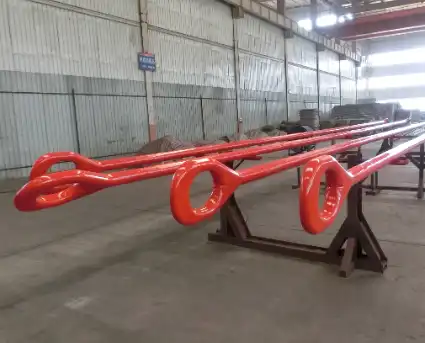
The design of a lifting bail is just as crucial as the material it is made from. Forged bodies feature a continuous grain structure. Careful welding and precise machining provide clean repeatable shapes. Smooth radii, proper hole sizes and even wall thickness assist transfer the force evenly from the lifting bail. If you are looking at options, look for clear manufacturing techniques, dimensional checks and verifiable branding. By researching the requirements and test methods for steel used in lifting gear, you may find standards issued by groups such as ASTM International.
Surface Protection for Field Conditions
Outdoor yards, offshore decks, damp workshops all exert their toll on metal surfaces. A proper coating such as galvanising, paint systems or other protective finishes assist a lifting bail keep clean and easy to check during a lengthy service life. Select a finish suitable for the environment and which will keep marks readable. Working with a seasoned manufacturer like WELONG that is ISO 9001:2015 and API 7-1 certified and can provide customised solutions, guarantees that every lifting bail is manufactured and finished for its intended job.
What Should You Check on a Lifting Bail Before Connecting It to the Load?
Review Markings and Documentation
Read the lifting bail marks before you lift. The rated capacity, size, manufacturer identification and traceability codes should be legible and consistent with the documentation in file. This simple guide will ensure you have the correct bail for the work and will offer the group a uniform reference point. Having a lifting bail with full documentation makes it easier to monitor audit and maintenance records and allows teams to keep a regular and disciplined lifting schedule across several projects.
Inspect Condition and Fit
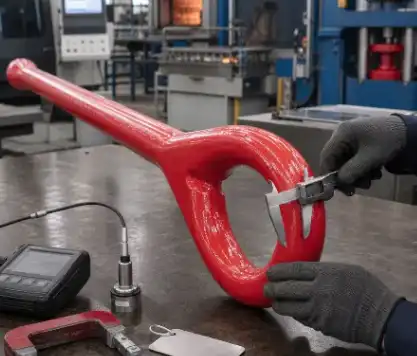
Take a minute now and have a good close look at the full lifting bail in good light. Inspection of body, eye, threads and contact surfaces for fractures, deformation or excessive wear Make that the mounting threads or welds are clean and tight. Check the fit with the connecting hardware to ensure it moves easily and sits properly. Having passed a comprehensive visual and fit test, a lifting bail is ready to take its position in the rigging with confidence.
Confirm Rigging Setup and Test Lift
After the lifting bail is mounted, check the whole assembly for proper torque or seating of the mounting, sling angles, hardware compatibility, and a clear passage for the load. Start with a little test lift barely off the ground and see how the load hangs. If the lifting bail is on the pull and level go forward. The brief stop gives the team a chance to make little adjustments that will lead to a safer, smoother lift from start to finish.
Conclusion
The selection of the correct lifting bail involves several processes. Check the actual weight of the load, add the required margins, fit the geometry of the bail to the pull direction, and design around the center of gravity. Complete the image with improved structure, tougher materials and pre-use inspection. With all these factors properly in place, the lifting bail provides a reliable connection between the cargo and the crane, enabling people to make lifts swiftly and with confidence on any project.WELONG supports customers with customized lifting bail solutions, engineering assistance, and quality control to meet specific lifting requirements.
FAQ
1. How do I know if a lifting bail is the right size for my load?
Compare the confirmed load weight, including attachments, with the rated working load limit on the lifting bail. Add an additional margin for sling angles and dynamic effects. Also that eye and pin sizes suit your hook or shackle.
2. Can I use one lifting bail for different types of loads?
Yes, assuming its rating, geometry and mounting meet the load. Always re-check weight, center of gravity and lift direction before re-using a lifting bail on a new task.
3. What documents should come with a lifting bail?
Look for a visible rating mark, traceability code, material information and inspection or test certificates. Certified providers may supply these facts to help your lifting program.
Choose WELONG for Your Lifting Bail Requirements
Ready to choose a lifting bail that suits your load, your rigging and your working environment? Since 2001, WELONG has been supplying oilfield and bespoke products, supported by ISO 9001:2015 and API 7-1 certifications and tight quality control. Give us your load information, drawings, or particular needs and we will assist you find a reliable solution. Contact us immediately at [email protected] for a price or to discuss a bespoke lifting bail for your next project.
References
1. ASME. ASME B30.26 – Rigging Hardware. American Society of Mechanical Engineers.
2. ASME. ASME BTH-1 – Design of Below-the-Hook Lifting Devices. American Society of Mechanical Engineers.
3. ASME. ASME B30.9 – Slings. American Society of Mechanical Engineers.
4. Occupational Safety and Health Administration. 29 CFR 1926.251 – Rigging Equipment for Material Handling. U.S. Department of Labor.
5. American Petroleum Institute. API Specification 8C – Drilling and Production Hoisting Equipment (PSL 1 and PSL 2). API.
6. International Organization for Standardization. ISO 9001:2015 – Quality Management Systems – Requirements. ISO.
Share your inquiry, get the quotation accordingly!

CHINA WELONG - 20+ years manufactuer in oilfield tools