Mud Motors Explained: How They Improve Directional Drilling
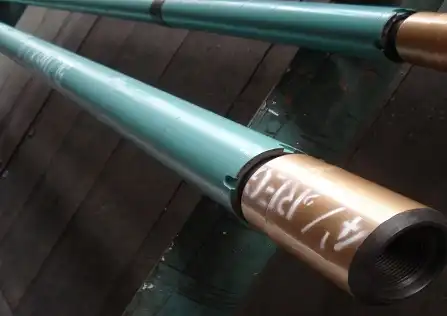
The drilling mud motor was the equipment that made directional drilling practicable and permanently revolutionised the oil and gas sector. This positive-displacement motor, mounted right above the bit, transforms the hydraulic energy in the flowing drilling fluid to mechanical rotation, rotating the bit without turning the whole drill string. That single capability allows operators to drill precise three-dimensional paths, hold horizontal laterals inside thin pay zones for thousands of feet, and reach reservoirs that vertical drilling could never reach. The current drilling mud motor, with outside diameters ranging from 1-7/8” to 9-5/8”, bend angles adjustable from 0 to 3 degrees and temperature ratings up to 150°C, is the directional drill’s combined steering wheel and engine. Here’s how it works, and why it’s important.
What Is a Drilling Mud Motor and How Does It Work Underground?
The Positive-Displacement Principle
A drilling mud motor is a positive-displacement motor, or PDM, built around a helical rotor turning inside an elastomer-lined stator. When high-pressure drilling fluid enters the motor from the drill stem, it fills the progressing cavities between rotor and stator, forcing the rotor to rotate as fluid passes through. This design delivers a direct relationship between flow rate and rotational speed, which gives drillers predictable, controllable bit rotation regardless of what is happening at the surface rotary system—a fundamental advantage over conventional rotary drilling alone.
Converting Fluid Pressure Into Bit Torque
The energy conversion inside a drilling mud motor is elegantly direct: pump pressure becomes rotation, and rotation becomes torque at the bit. Differential pressure across the power section determines output torque, while flow rate determines speed, so drillers can tune bit performance by adjusting surface pump parameters they already control. Because the motor sits immediately behind the bit, torque is delivered exactly where the rock is being cut, without the frictional losses and torsional wind-up that plague long drill strings turned from the surface.
Working Reliably Thousands of Feet Downhole
Everything about a drilling mud motor is engineered for the harsh downhole environment. Temperature ratings of 120–150°C cover the majority of directional applications, while the oil-sealed transmission shaft isolates critical bearings from abrasive drilling fluid. The motor runs continuously in a bath of mud, cuttings, and formation fluids at pressures that would destroy ordinary machinery, yet delivers hour after hour of steady torque. This underground endurance is what makes long, uninterrupted directional runs economically possible in modern drilling programs.
How Does a Drilling Mud Motor Improve Directional Drilling Accuracy?
The Adjustable Bend Housing
Directional control begins with geometry. A drilling mud motor equipped with an adjustable bend housing—typically offering angles from 0 to 3 degrees—points the bit slightly off the tool's axis. When the drill string is held stationary and the motor drills alone, the wellbore follows the direction of the bend, building, dropping, or turning the hole as the directional driller intends. Adjusting the bend angle changes how aggressively the well path curves, giving planners precise control over dogleg severity and trajectory.
Sliding and Rotating Drilling Modes
The two-mode versatility of a drilling mud motor is the heart of modern steerable drilling. In sliding mode, the string does not rotate; the motor alone turns the bit, and the well follows the bent housing's direction. In rotating mode, the entire string turns from the surface, the bend's influence averages out, and the assembly drills straight ahead. Alternating between these modes, directional drillers sculpt smooth, accurate well paths with nothing more than pump pressure and string rotation—no trips required to change the steering setup.
Real-Time Toolface and Trajectory Control
Paired with measurement-while-drilling tools, a drilling mud motor becomes a closed-loop guidance system. Survey instruments immediately above the motor report inclination, azimuth, and toolface orientation in real time, telling the driller exactly which way the bend is pointed. Small adjustments to string position rotate the toolface, redirecting the next section of hole. This continuous feedback loop is how operators land laterals within tight target windows and hold them inside reservoir zones sometimes only a few meters thick.
Key Components and Working Principles of Drilling Mud Motor Systems
Power Section: Rotor and Stator
The power section is where a drilling mud motor makes its torque. The helical steel rotor mates with a stator lined with precision-molded elastomer, and the lobe configuration of this pair defines the motor's speed-torque character—more lobes mean higher torque at lower speed. Uniform wall thickness stator technology improves this further by distributing heat evenly and maintaining consistent interference fit, delivering larger power output and more stable performance than conventional designs, especially under heavy loads and elevated downhole temperatures.
Hollow Rotor for Flow and Horsepower
Traditional solid rotors restrict how much fluid can pass through the motor, capping hydraulic horsepower. The hollow rotor design opens a flow path through the rotor's center, allowing higher circulation rates without excessive pressure drop across the power section. For the drilling mud motor, this means more horsepower delivered to the bit, better hole cleaning through increased annular velocity, and the ability to run aggressive bit hydraulics in demanding formations—all without sacrificing the torque characteristics directional work requires.
Oil-Sealed Transmission Shaft
Between the power section and the bit sits the transmission assembly, converting the rotor's eccentric motion into clean concentric bit rotation while absorbing enormous thrust loads. The oil-sealed transmission shaft is a defining feature of a quality drilling mud motor: sealed lubrication protects the bearing pack from drilling fluid contamination, dramatically extending bearing life and increasing single-trip working time. Longer runs between trips translate directly into lower cost per foot, making this component a quiet but decisive contributor to drilling economics.
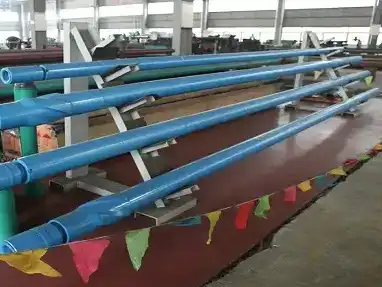
Drilling Mud Motor Applications in Horizontal and Complex Well Drilling
Horizontal Laterals in Shale Reservoirs
Unconventional development would not exist without the drilling mud motor. Shale wells require thousands of feet of horizontal hole steered precisely within the target zone, and mud motors slide and rotate their way through these laterals day after day. Motor sizes matched to common production-hole diameters deliver the torque that PDC bits need in abrasive shale, while reliable steering keeps the lateral on target. Every multi-well pad in every major shale play depends on this capability repeated flawlessly, well after well.
Extended-Reach and Multilateral Wells
Extended-reach drilling pushes horizontal departure to extraordinary distances, where rotating the entire string becomes inefficient or impossible due to torque and drag. The drilling mud motor solves this by generating bit rotation locally, letting wells step out far beyond what surface-driven rotation could achieve. Multilateral wells similarly rely on motors to drill branch laterals from a single main bore. In both applications, the motor's ability to work at any inclination, fully independent of string rotation, unlocks reservoir contact that maximizes recovery from each slot.
Slim Hole and Coiled Tubing Operations
At the small end of the range, drilling mud motor models with outer diameters from 1-7/8" upward serve slim-hole drilling, re-entry work, and coiled tubing interventions. Coiled tubing cannot rotate at all, so the motor provides 100 percent of bit rotation during drilling and milling operations. Compact motors with the same positive-displacement reliability enable underbalanced drilling, through-tubing sidetracks, and cleanout milling—extending productive life to existing wells without the cost of full-size drilling rigs.
How Does a Drilling Mud Motor Enhance Drilling Efficiency and Bit Performance?
Bit Speed Independent of the Drill String
In conventional rotary drilling, bit speed equals string speed—often limited to modest RPM by torque, drag, and vibration concerns. A drilling mud motor breaks that constraint entirely, delivering high bit speeds while the string creeps slowly or stays stationary. PDC bits thrive at these elevated rotary speeds, cutting faster with smoother torque response. The result is higher rates of penetration, fewer bit trips, and smoother wellbores, all achieved without placing additional torsional stress on the drill string above.
Predictable Torque for Optimal Bit Loading
Bits perform best within a designed torque and weight window, and the drilling mud motor delivers that loading with remarkable consistency. Because output torque tracks differential pressure, drillers can read bit behavior directly from standpipe pressure changes—recognizing dulling, balling, or formation transitions in real time. Consistent torque also reduces damaging stick-slip vibration, extending bit life and protecting downhole tools. This predictability turns the motor into both a power source and a diagnostic instrument for the drilling team.
Longer Runs, Fewer Trips, Lower Cost Per Foot
Efficiency ultimately shows up in the economics, and the modern drilling mud motor excels there. Uniform wall thickness stators sustain power output over extended hours, oil-sealed bearing assemblies stretch single-trip working time, and robust construction handles temperatures to 150°C without mid-run failures. Each avoided trip saves a full day or more of rig time. Buyers who source motors from certified manufacturers—those operating quality systems compliant with ISO 9001:2015 and API 7-1—compound these gains with documented reliability across entire drilling campaigns.
Conclusion
The drilling mud motor changed drilling from a vertical necessity to a precision-guided discipline. It delivers steerable sliding, precise trajectory steering, and high-speed cutting in formations from shallow shale to deep extended-reach targets by translating mud pressure into bit torque at the bottom of the hole. Its main advances- hollow rotors, consistent wall thickness stators, and oil-sealed gearbox shafts provide the power and durability that current horizontal projects need. Operators designing directional, horizontal, or complicated wells have one of the most impactful choices in the overall drilling plan when choosing the motor size, bend angle, and power section.
FAQ
Q1: What sizes of drilling mud motor are available?
Drilling mud motors are manufactured in outer diameters from 1-7/8" up to 9-5/8", covering applications from slim-hole and coiled tubing work to full-size directional and horizontal drilling. The motor size should match the hole diameter and deliver the torque your chosen bit requires, with adjustable bend housing angles from 0 to 3 degrees for steering control.
Q2: How does a drilling mud motor steer the well?
The motor's adjustable bend housing tilts the bit slightly off-axis. In sliding mode, with the drill string stationary, the well follows the bend's direction; in rotating mode, the string turns and the assembly drills straight. Alternating these modes, guided by real-time MWD survey data, allows directional drillers to build, drop, or turn the well path precisely.
Q3: What features extend a drilling mud motor's run life?
Three features matter most: a uniform wall thickness stator, which maintains consistent power output and resists heat-related elastomer fatigue; a hollow rotor, which supports higher flow rates and horsepower; and an oil-sealed transmission shaft, which protects bearings from drilling fluid contamination. Together, these increase single-trip working time and reduce costly mid-section trips.
Power Your Directional Program With WELONG Mud Motors
Looking for a drilling mud motor that delivers power, precision, and endurance downhole? Founded in 2001, China WELONG is a professional international supply chain service provider specializing in oilfield products and customized solutions, certified to ISO 9001:2015 and API 7-1. Our positive-displacement mud motors—available from 1-7/8" to 9-5/8" OD with 0–3° adjustable bend housings, hollow rotors, uniform wall thickness stators, and oil-sealed transmission shafts—are built under strict quality control, with SGS and DNV third-party inspection available. With sea, air, and railway transport and terms from FOB to DDP, we deliver on schedule, worldwide. Contact us today at [email protected] for a tailored quotation and expert support.
References
1. Bourgoyne, Adam T., Keith K. Millheim, Martin E. Chenevert, and F. S. Young. Applied Drilling Engineering. Society of Petroleum Engineers, 1986.
2. Azar, J. J., and G. Robello Samuel. Drilling Engineering. PennWell Publishing, 2007.
3. Mitchell, Robert F., and Stefan Z. Miska. Fundamentals of Drilling Engineering. Society of Petroleum Engineers, 2011.
4. Lyons, William C., and Gary J. Plisga. Standard Handbook of Petroleum and Natural Gas Engineering, 2nd Edition. Gulf Professional Publishing, 2005.
5. Short, J. A. Introduction to Directional and Horizontal Drilling. PennWell Publishing, 1993.
6. International Association of Drilling Contractors. IADC Drilling Manual, 12th Edition. IADC, 2015.
Share your inquiry, get the quotation accordingly!
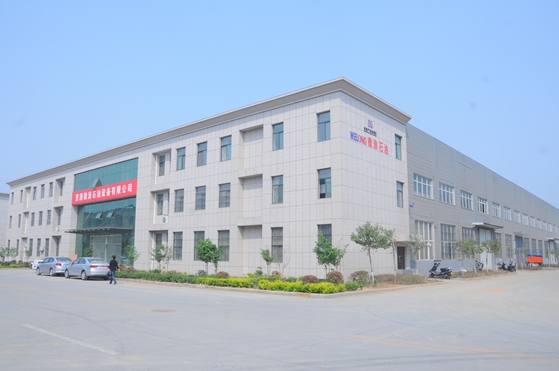
CHINA WELONG - 20+ years manufactuer in oilfield tools