Power Tongs in Oil and Gas Drilling: Applications and Benefits
Few machines change the pace of a rig floor as clearly as power tongs. In power tongs oil and gas operations, these hydraulic wrenches grip tubular connections and turn them with accurate, repeatable torque, replacing slow manual methods with a fast and controlled process. This article looks at how power tongs are used on drill pipe, casing and tubing, where they fit across drilling, workover and completion, and why crews rely on them to move pipe efficiently and keep every connection consistent.
How Are Power Tongs Used for Drill Pipe, Casing and Tubing Make-Up?
The Basic Working Principle
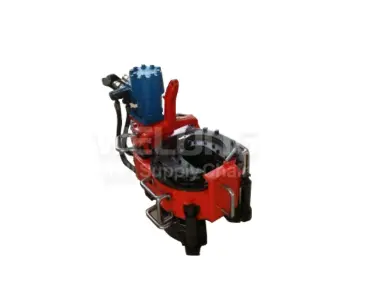
In power tongs oil and gas work, the tong clamps onto the pipe with a set of replaceable jaws and then rotates it through a hydraulic motor and gear train. A second tong, called the backup, holds the lower joint steady so that torque is applied only to the connection being made up. This paired action gives crews smooth, powerful rotation without stressing the surrounding string.
Matching Jaws and Dies to Pipe Size
Every pipe size and wall type calls for the right jaw and die combination, and the flexibility of power tongs oil and gas equipment makes the change quick. Crews swap dies to suit casing, tubing or drill pipe, ensuring a firm grip that protects the pipe body while delivering the full torque needed for a sound, tight connection.
Reading Torque During Make-Up
Modern power tongs oil and gas systems pair the tong with a torque gauge or load cell that shows the applied torque in real time. Operators watch the reading as the connection tightens and stop precisely at the specified value. This clear feedback lets the crew document each joint and gives engineers dependable data for quality records.
Power Tongs Oil and Gas Applications in Drilling, Workover and Well Completion
Drilling Operations
During drilling, power tongs oil and gas units make up and break out drill pipe stands, bottomhole assembly components and drill collars. The speed of hydraulic rotation helps crews keep tripping operations steady, while accurate torque control ensures each connection is ready for the demands of rotation, circulation and weight in the hole.
Workover Programs
Workover rigs depend on power tongs oil and gas equipment to pull and re-run tubing, rods and production components. The compact, portable design of many tongs suits the smaller footprint of a workover unit, and their fast cycle times allow a crew to complete a string change in a fraction of the time that manual work would need.
Casing and Completion Work
Completion crews use power tongs oil and gas systems to run casing and tubing with the careful torque control that premium and API connections require. Each joint is made up to its target value and recorded, giving operators confidence that the finished string will perform as designed throughout the productive life of the well.
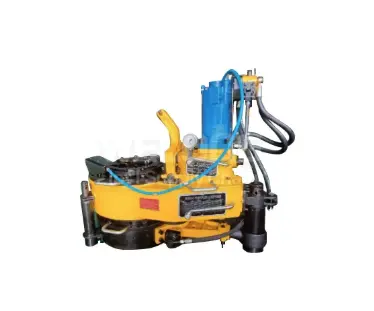
Hydraulic Power Tongs for Running and Pulling Oilfield Tubular Strings
The Hydraulic Power Unit
Hydraulic power tongs oil and gas systems are driven by a dedicated power unit that supplies fluid at controlled pressure and flow. Operators adjust speed and torque from the control panel, matching the output to each connection. This reliable drive gives the tong consistent strength from the first joint of the day to the last.
Running Strings into the Well
When a string is run in, power tongs oil and gas crews make up joint after joint in a steady rhythm. The elevator lifts each tubular, the stabber guides it into the box, and the tong spins it up to the correct torque. A practiced crew can run a long string quickly while keeping every connection uniform.
Pulling Strings Out of the Well
Pulling is just as smooth with power tongs oil and gas equipment, because the same hydraulic power that makes up connections also breaks them out. Crews can loosen each joint rapidly, rack back the pipe and continue, which supports efficient trips and keeps the rig on schedule for the next stage of the program.
Handling Different Tubular Grades
Tubular strings include a wide range of sizes, weights and steel grades, and power tongs oil and gas equipment adapts easily to all of them. Adjustable torque settings and interchangeable jaws let one tong serve many jobs, which reduces the amount of equipment a contractor needs to carry and simplifies logistics for the entire operation.
What Makes Power Tongs Essential for High-Volume Oilfield Pipe Handling?
Speed That Shortens Rig Time
Rig time is among the largest costs in any well, and power tongs oil and gas equipment helps reduce it directly. Hydraulic rotation makes up a connection in a matter of seconds, and the saving multiplies across hundreds of joints. Faster pipe handling means shorter tripping time, which brings first production closer and improves the economics of the whole well.
Crew Efficiency and Rig Floor Teamwork
With power tongs oil and gas equipment, a small crew can handle large volumes of pipe, because the machine performs the heavy turning. Roles on the floor become clearer and more defined, communication improves, and each member can focus on guiding, stabbing and monitoring. The outcome is a calm, well-organized operation that moves pipe steadily.
Durable Construction for Continuous Use
Heavy-wall steel bodies, hardened gears and robust hydraulic components allow power tongs oil and gas units to work through long programs without interruption. Quality manufacturers follow ISO 9001:2015 management practices and API standards to build tongs that handle demanding schedules, giving contractors dependable equipment for job after job and season after season in demanding fields.
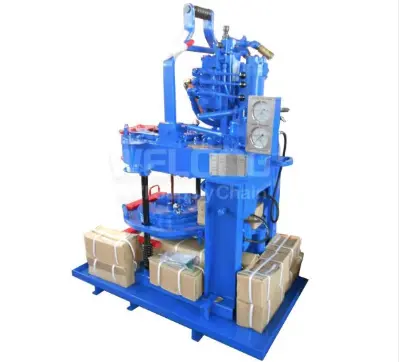
Power Tongs Oil and Gas: Improving Connection Consistency in Rig Floor Operations
Repeatable Torque on Every Joint
Consistency begins with repeatable torque, and power tongs oil and gas equipment delivers it joint after joint. The same setting produces the same result each time, removing the variation that manual tightening introduces. Uniform connections give operators confidence in the integrity of the entire string, from the shoe to the wellhead.
Data Recording and Quality Assurance
Many power tongs oil and gas systems connect to electronic monitoring that records torque and turns for each joint. These records form a clear quality file that engineers can review after the job, and they pair well with material and testing standards published by ASTM International, which many operators use as a reference when specifying equipment and tubular materials.
Safer, More Predictable Operations
Because power tongs oil and gas equipment is operated from a safe position with controlled hydraulic motion, crews keep their hands away from the pipe during make-up. Predictable machine behavior supports clear procedures, and a calm, repeatable routine on the rig floor naturally leads to fewer delays and a stronger record of safe, efficient work for the whole crew.
Conclusion
Power tongs oil and gas equipment gives rig crews accurate torque, fast cycle times and consistent connections across drill pipe, casing and tubing. From drilling and workover to completion, hydraulic tongs save rig time, improve safety and produce reliable records for quality assurance. Selecting equipment from a certified, quality-focused supplier further strengthens performance and durability. Operators who invest in well-built tongs and train their crews thoroughly gain smoother operations, shorter schedules and the confidence that every connection in the string has been made up correctly, which is the foundation of a successful well.
FAQ
Q: What are power tongs used for in oil and gas operations?
A: They make up and break out threaded connections on drill pipe, casing and tubing, applying controlled hydraulic torque quickly and accurately.
Q: Why is a backup tong used together with power tongs?
A: The backup holds the lower joint steady, so torque is applied only to the connection being made up and the rest of the string stays secure.
Q: Can one set of power tongs handle different pipe sizes?
A: Yes. By changing jaws and dies and adjusting torque settings, a single tong can serve a wide range of tubular sizes and grades.
Power Your Rig Floor with WELONG Quality
Since 2001, China Welong has been a professional international integrated supply chain service provider focused on oilfield products and customized solutions. Our ISO 9001:2015 and API 7-1 certifications and strict quality control ensure durable products and reliable service for customers worldwide. If you are looking for power tongs oil and gas equipment, replacement dies or tailored specifications, our team is ready to assist. Email us at [email protected] and let WELONG bring the finest supply chain from China to your next project. We look forward to supporting your team with products you can trust.
References
1. American Petroleum Institute. (2015). API Specification 7K: Drilling and Well Servicing Equipment (6th ed.). Washington, DC: API Publishing Services.
2. American Petroleum Institute. (1999). API Recommended Practice 5C1: Care and Use of Casing and Tubing (18th ed.). Washington, DC: API Publishing Services.
3. Azar, J. J., & Samuel, G. R. (2007). Drilling Engineering. Tulsa, OK: PennWell Books.
4. Devereux, S. (2012). Drilling Technology in Nontechnical Language (2nd ed.). Tulsa, OK: PennWell.
5. Mitchell, R. F. (Ed.). (2006). Petroleum Engineering Handbook, Volume II: Drilling Engineering. Richardson, TX: Society of Petroleum Engineers.
6. Bourgoyne, A. T., Millheim, K. K., Chenevert, M. E., & Young, F. S. (1986). Applied Drilling Engineering. Richardson, TX: Society of Petroleum Engineers.
Share your inquiry, get the quotation accordingly!
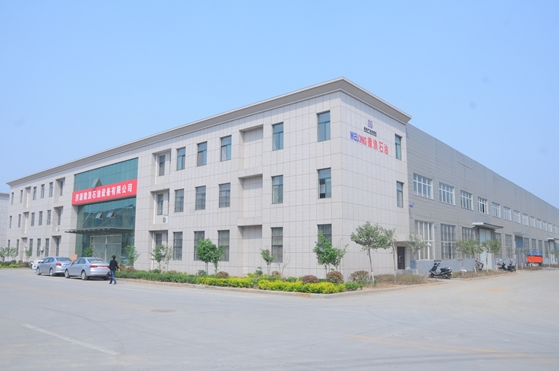
CHINA WELONG - 20+ years manufactuer in oilfield tools