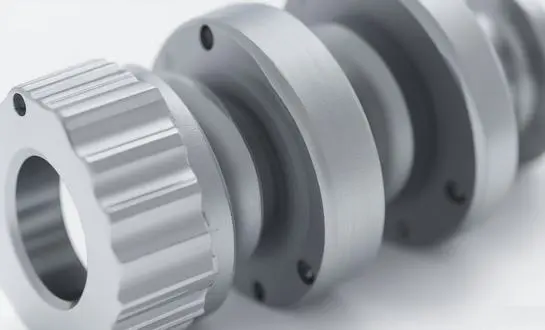
The Essential Guide to Drill Collars: Everything You Need to Know
The drill collar is one of the most basic parts of the bottom hole assembly in the difficult world of oil and gas drilling. This is a strong, thick-walled tube that provides the important weight to keep the drill bit cutting effectively through rock formations. The Essential Guide to Drill Collars: Everything You Need to Know aims to guide you through its operating principles, design characteristics, applications, and purchase considerations for this important item. Whether you’re a drilling engineer or a procurement manager, this book provides you with the practical information you need.
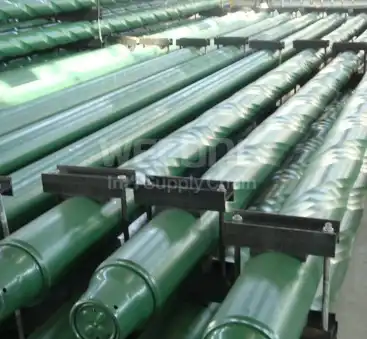
What Is a Drill Collar and How Does It Work in Drilling Operations?
Defining the Basic Function
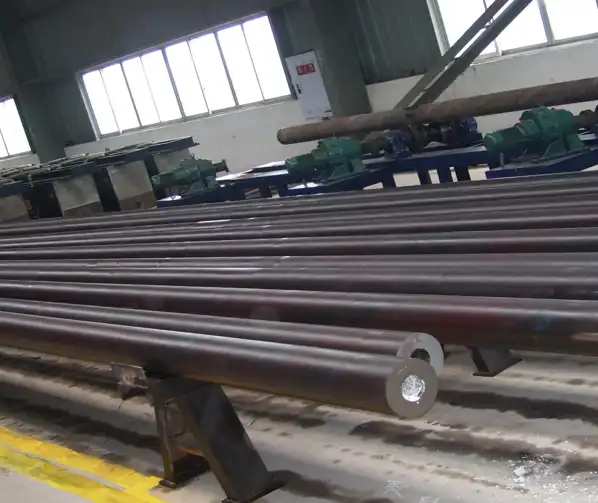
Drill collars are thick-walled steel tubes that are hefty and are positioned immediately above the drill bit in the bottom-hole assembly. Their principal function is to exert a focused weight downward on the bit. This critical weight allows the drill collar to drive the cutting structure into the formation, ensuring consistent penetration and the effective advancement of the wellbore throughout the entire drilling process.
Position Within the Drill String
You need to understand placement to understand how this tool can work well. The drill collar is the transition weight element between the lighter drill pipe and the bit. This arrangement allows the drill collar to focus mass where it is most effective, to provide downward pressure on the bit, and to maintain the thin drill pipe in tension above to avoid buckling.
Contribution to Drilling Stability
It also adds weight, but more importantly it helps to stabilise the whole drilling assembly. It has a large bulk and stiffness to keep the borehole straight and controlled. A well-dressed drill collar will minimise undesired vibration and deviation, keeping the bit on track and minimising stress on associated components, leading to smoother, more predictable drilling performance downhole.
Key Components and Design Features of Modern Drill Collar Systems
Premium Material Composition
The harsh downhole environment demands very robust materials for dependable performance. Modern units are AISI 4145H or AISI 4145H MOD steel, quenched and tempered to API specifications. The superior composition offers the drill collar a combination of strength, toughness, and fatigue resistance that enables it to survive the tremendous mechanical forces experienced during lengthy and severe drilling jobs.
Stress Relief and Bore Back Features
Durability and life at important connecting points are greatly improved by careful technical details. More sophisticated designs include the provision of stress relief grooves and bore back features to alleviate fatigue at the threaded joints. These developed features assist the drill collar to distribute mechanical stresses more uniformly, therefore decreasing the likelihood of connection failure and increasing the service life of the tool throughout repeated makeup and breakout cycles.
Non-Magnetic Options for Directional Work
Some specialised drilling procedures need materials that do not interfere with delicate measuring equipment. The non-magnetic versions are for directional survey instruments. This specialised equipment is critical to accurately directing the wellbore in complicated directional and horizontal drilling campaigns, since operators may take accurate directional measurements without magnetic interference by utilising a non-magnetic drill collar.
Protective Thread Protectors
The integrity of the connecting threads in transit and storage must be assured to be able to guarantee dependable usage in the field. In quality units, pressed steel thread guards are used to preserve the fragile threaded ends. These heavy-duty guards keep every drill collar connection free from damage, corrosion, and dirt so the threads are in perfect shape and ready for fast deployment when they reach the wellsite.
How Does a Drill Collar Provide Weight on Bit During the Drilling Process?
Generating Downward Force
The main principle of successful drilling is gravity working on large masses. These pieces are quite thick and dense; therefore, they exert a lot of force downward. The weight of the drill collar is directly applied to the bit to provide the required weight-on-bit, which enables the cutting structure to penetrate hard rock formations effectively and to maintain a constant rate of penetration.
Maintaining Drill Pipe in Tension
One of the key principles of good drill string design is to maintain the narrow pipe sections under tension. The drill collar, placing the heavy weight at the bottom of the system, ensures that the lighter drill pipe above is under tension rather than compression. This setup prevents harmful buckling of the pipe and maintains the integrity of the whole drill string during challenging work.
Optimizing Weight Distribution
Proper weight balancing is vital to maximise your drilling operation and extend the life of your equipment. Operators carefully determine the number of collars needed according to the weight-on-bit required. As we add the correct number of pieces of drill collar (supported by standards such as the ASTM International standards), we can very accurately manage the amount of force delivered to the bit, maximising penetration rates while protecting downhole instruments.
Common Applications of Drill Collar in Oilfield and Directional Drilling
Conventional Vertical Drilling
Consistent weight on bit is key to success in conventional vertical well building. These massive tubulars provide the backbone of the bottom hole assembly in traditional operations. Drill collars are a crucial part of conventional oil and gas exploration in terms of drilling straight, stable boreholes. They provide the constant downward force necessary to penetrate different geological formations efficiently.
Directional and Horizontal Drilling
Today, drilling depends more and more on accurate control of the trajectory to reach unconventional reservoirs. Specialised non-magnetic units are available for steering instruments for directional and horizontal use. This is achieved by eliminating the need for a magnetic drill collar, which provides the weight required by the drill string while allowing directional measurements to be accurately taken, enabling operators to effectively traverse difficult well courses and reach inaccessible hydrocarbon resources with an outstanding degree of accuracy and dependability.
Spiral Versus Slick Configurations
The downhole circumstances are different, and hence the exterior designs are different to solve certain operating issues. Slick drill collars are smooth on the outside; spiral variants have helical grooves. The spiral drill collar decreases the contact surface with the borehole wall and therefore greatly reduces the chance of differential sticking in permeable formations. The slick drill collar provides the greatest weight and simplicity under ordinary drilling circumstances.
What Factors Should Buyers Consider When Selecting a Drill Collar?
Matching Size to Wellbore Requirements
Selecting the correct dimensions is fundamental to achieving optimal drilling performance and stability. Available in outer diameters ranging from 3-1/8" to 11", these tools must be matched carefully to the specific hole size. Choosing the appropriate drill collar diameter ensures proper annular clearance, adequate weight delivery, and effective borehole stabilization throughout the entire drilling program.
Verifying Material Quality and Certification
The reliability of downhole equipment depends heavily on rigorous material standards and quality assurance. Buyers should confirm that products are manufactured from certified 4145H modified steel and comply with recognized international standards. Sourcing a drill collar from manufacturers certified under ISO 9001:2015 guarantees consistent quality, exceptional durability, and dependable field performance under extreme downhole conditions.
Evaluating Inspection and Testing Services
Independent verification gives critical assurance that equipment fulfils claimed specifications prior to deployment. Good suppliers will provide full inspection, including by third-party inspectors. Buyers of drill collars benefit from manufacturers skilled with agencies such as SGS and DNV who can organise quick, complete inspection plans to verify dimensional correctness, material integrity, and thread quality prior to shipping.
Assessing Supplier Logistics and Flexibility
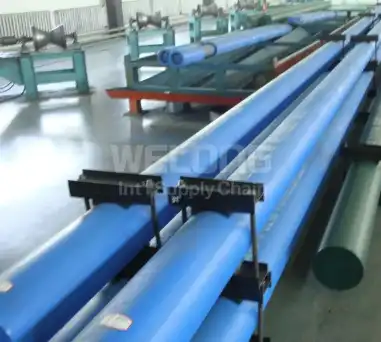
Apart from the quality of the product, dependable delivery and flexible collaboration conditions are also crucial to maintain projects on time. Multiple transit choices and flexible trade terms from established suppliers. With many terms of delivery, such as FOB, CIF, DDP, and DDU, a reliable drill collar supplier like CHINA WELONG ensures quick and easy delivery all over the globe, providing the equipment by ship, air, or train.
Conclusion
The drill collar is an integral part of every successful drilling operation, providing the weight-on-bit, stability, and trajectory control required to build efficient wellbores. Knowing its basic functioning principles and premium material composition, choosing the proper size, kind, and certified supplier, all help make educated selections that directly affect drilling performance. High-quality tools with stress relief grooves, non-magnetic alternatives, and strict inspection requirements let operators maximise performance, save downtime, and assure dependable results in a broad range of difficult drilling situations across the globe.
FAQ
Q1: What size range is available for a drill collar?
A1: A quality drill collar is available in outer diameters ranging from 3-1/8" to 11". This broad selection allows operators to precisely match the tool to specific wellbore sizes, ensuring proper annular clearance, adequate weight delivery, and effective borehole stabilization during drilling.
Q2: What is the difference between slick and spiral drill collars?
A2: A slick drill collar features a smooth outer surface offering maximum weight and simplicity, while a spiral drill collar has helical grooves that reduce contact area with the borehole wall. Spiral designs significantly lower the risk of differential sticking in permeable formations.
Q3: Why are non-magnetic drill collars used in directional drilling?
A3: Non-magnetic drill collars are made from specialized materials that do not interfere with sensitive directional survey instruments. This allows operators to obtain accurate directional readings without magnetic interference, making them essential for precise wellbore steering during directional and horizontal drilling operations.
Ready to Source Premium Drilling Equipment? Contact Us Today
Selecting the right bottom hole assembly components is critical for efficient, safe, and successful drilling operations. Founded in 2001, CHINA WELONG is a professional international integrated supply chain service provider concentrating on premium oilfield products and customized solutions. Certified by ISO 9001:2015 & API 7-1, our stringent quality control—including optional third-party inspections via SGS and DNV—ensures every drill collar we supply is durable and highly reliable. With flexible global transport options (sea, air, railway) under various terms like FOB, CIF, DDP, and DDU, we empower your projects with China's finest supply chain. Welcome to contact us at oiltools@welongpost.com.
References
1. American Petroleum Institute (API). "Specification for Rotary Drill Stem Elements." API Specification 7-1.
2. Mitchell, Robert F., and Stefan Z. Miska. "Fundamentals of Drilling Engineering." SPE Textbook Series.
3. Bourgoyne, Adam T., et al. "Applied Drilling Engineering." Society of Petroleum Engineers.
4. Lyons, William C., and Gary J. Plisga. "Standard Handbook of Petroleum and Natural Gas Engineering." Gulf Professional Publishing.
5. Azar, Jamal J., and G. Robello Samuel. "Drilling Engineering." PennWell Corporation.
6. Baker, Ron. "A Primer of Oilwell Drilling." Petroleum Extension Service, University of Texas at Austin.
Share your inquiry, get the quotation accordingly!

CHINA WELONG - 20+ years manufactuer in oilfield tools