What Is a Tubing Power Tong? Uses, Benefits, and Buying Guide
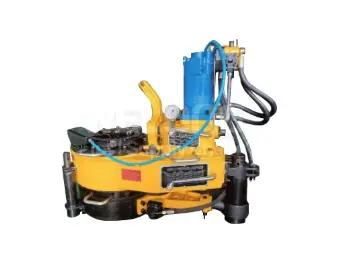
Ask any workover team what tool they rely on most, and the tubing power tong will be on the top of the list. This hydraulic wellhead handling tool grabs, spins, and torques tubing connections during make-up and break-out, replacing the sluggish, physically demanding manual tongs of previous times. Modern tube power tongs have a hydraulic backup tong and an inner curved cam clamp that gives regulated, consistent torque on every connection – preserving threads, speeding up trips and keeping personnel safer. Whether you’re running a completion string, pulling tubing for a workover or assembling a new service rig, this guide will tell you how the equipment works, where it shines and what to look for when you purchase.
What Are the Main Components of a Tubing Power Tong and How Do They Work?
Hydraulic Drive System
At the heart of every tubing power tong is its hydraulic drive, typically a motor-and-gear arrangement powered by the rig's hydraulic unit or a dedicated power pack. The drive converts hydraulic pressure into rotational force, spinning the tubing at controlled speeds for running in and then delivering high torque at low speed for final make-up. This two-speed behavior lets crews move quickly through the easy part of each connection while reserving precise, powerful torque for the moment it actually matters, all without manual snub lines or spinning chains.
Inner Curved Cam Clamping Mechanism
The clamping system is what allows a tubing power tong to grip pipe without crushing or marking it. Inner curved cams close around the tubing body as the tong rotates, distributing clamping force evenly across the pipe surface through hardened dies. Because the cam geometry tightens proportionally with applied torque, the grip is self-energizing: the harder the connection resists, the firmer the tong holds. This design accommodates a range of tubing diameters simply by changing dies and jaw assemblies, keeping one tong useful across many string designs.
Hydraulic Backup Tong
Making up or breaking out a connection requires gripping two pipes at once, and that is the job of the hydraulic backup tong. While the powered unit turns the upper joint, the backup clamps the pipe below the connection, absorbing reaction torque so the string does not rotate downhole. On a well-designed tubing power tong, the backup is integrated into the same frame and hydraulic circuit, synchronizing automatically with the master unit and eliminating the need for a second crew member wrestling with a separate manual backup.
How Does a Tubing Power Tong Improve Tubing Make-Up and Break-Out Operations?
Consistent, Controlled Torque on Every Connection
Tubing connections are engineered for a specific torque window: too little and the joint may leak or back off downhole; too much and threads or seals are damaged. A tubing power tong with a calibrated torque gauge applies exactly the specified make-up torque, connection after connection, regardless of crew fatigue or shift changes. Many units record torque-turn data for each joint, giving operators a verifiable quality record for the entire string—valuable documentation for premium connections and critical wells alike.
Faster Trips and Shorter Rig Time
Time on a workover rig is expensive, and a tubing power tong attacks that cost directly. Powered spinning replaces hand-spinning each joint, rapid jaw engagement replaces repositioning manual tongs, and automated clamping removes snub-line handling entirely. Across thousands of connections in a typical tubing run, these savings compound into hours shaved off every trip. For operators managing multi-well workover programs, that reclaimed rig time translates directly into more wells serviced per month with the same crew and equipment.
Safer Working Conditions on the Rig Floor
Manual tong operations have historically been among the most injury-prone tasks on the rig floor, involving pull forces, snapping lines, and hands near pinch points. A tubing power tong moves the operator away from the connection to a control position, enclosing the gripping and rotating action within the tool body. Guards, emergency stops, and two-hand controls further reduce exposure. The result is not only a better safety record but also less physical strain on crews, which supports consistent performance across long shifts and demanding programs.
Key Applications of Tubing Power Tong in Oilfield Drilling and Well Service
Running Completion Strings in New Wells
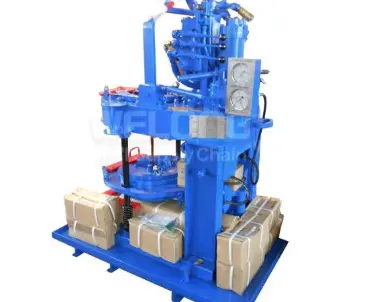
During completions, thousands of feet of production tubing must be made up to specification before the well can flow. A tubing power tong handles this repetitive, quality-critical work efficiently, applying correct torque to each connection while the rig crew focuses on pipe handling and tallies. Available in a variety of models, sizes, and types, these tools match everything from slim-hole completions to large production tubing, and their dies can be swapped quickly when a program calls for different tubing weights or connection styles mid-job.
Workover and Well Intervention Operations
Workovers are where the tubing power tong truly earns its keep. Pulling a worn string, replacing a pump, setting or retrieving packers, and re-running new tubing all involve hundreds of break-out and make-up cycles under time pressure. Hydraulic power handles corroded, tightly torqued connections that would exhaust a manual crew, while the backup tong absorbs reaction forces cleanly. Service companies running multiple workover rigs standardize on these tools precisely because they keep intervention schedules predictable, well after well.
Onshore and Offshore Well Servicing
From land-based service rigs to offshore platform interventions, the tubing power tong adapts readily to different environments. Compact models suit the tight floors of platform rigs and snubbing units, while heavy-duty versions serve high-torque applications onshore. Hydraulic operation performs reliably in heat, cold, and dusty conditions that challenge electric alternatives, and power can come from the host rig's hydraulic system or a portable unit on remote locations. This versatility makes one well-chosen tool useful across an entire fleet and portfolio of wells.
What Performance Features Should Buyers Consider When Selecting a Tubing Power Tong?
Torque Capacity and Tubing Size Range
Start with the fundamentals: the maximum make-up and break-out torque your operations require, and the tubing diameters you handle most. A tubing power tong should cover your typical string sizes with die changes rather than forcing a second tool onto the location, and its torque capacity should exceed your toughest expected connection with margin to spare. Buyers running premium or high-torque connections should also confirm low-speed control characteristics, since smooth, stall-free rotation at final torque is what protects expensive threads.
Build Quality, Dies, and Material Standards
Durability is decided in the details—cam geometry, die steel, gear metallurgy, and weld quality. Reputable manufacturers select and test materials against recognized benchmarks such as ASTM International standards, ensuring dies resist wear and frames withstand years of cyclic loading. Ask suppliers about heat treatment processes, spare die availability, and expected service intervals. A tubing power tong built from high-grade materials under strict quality control costs less over its working life than a cheaper unit that demands constant repair.
Certification, Inspection, and Documentation
Quality assurance separates professional suppliers from traders. Look for manufacturers certified to ISO 9001:2015 and API 7-1, with documented in-process and final inspection on every unit. WELONG, for example, offers updated inspection services that add third-party verification, drawing on years of experience coordinating SGS and DNV inspections to build comprehensive, timely inspection plans. For a tubing power tong destined for critical service, this paperwork is not bureaucracy—it is your evidence that the tool on the rig floor was tested before it ever left the factory.
Delivery Options and Commercial Flexibility
Even the best tool creates no value sitting in a warehouse overseas. Evaluate suppliers on logistics: an experienced exporter should offer sea, air, and railway transport, cooperate on terms from FOB and CIF to DDP and DDU, and commit to realistic lead times backed by a skilled production team. A tubing power tong ordered for a scheduled workover campaign must arrive before the rig does, so proven on-time delivery and responsive communication deserve as much weight in your decision as the torque chart itself.
How Does a Tubing Power Tong Enhance Operational Efficiency in Different Well Conditions?
High-Volume, Repetitive Connection Work
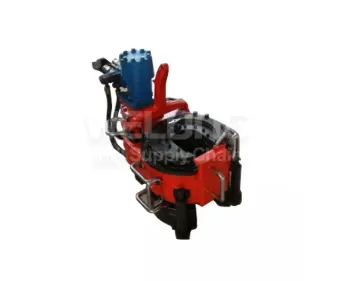
Shallow workover fields and mature developments involve enormous connection counts—pulling and rerunning tubing across dozens of wells each quarter. In this environment, a tubing power tong pays for itself through sheer repetition: faster cycles, consistent torque, and reduced crew fatigue on every single joint. Because hydraulic operation never tires, the thousandth connection of the week receives the same careful make-up as the first, protecting tubing inventories and reducing connection-related failures that would otherwise send crews back downhole.
Deep Wells and Demanding Torque Requirements
Deep, deviated, and high-pressure wells impose heavier strings and higher connection torques, conditions where manual methods simply run out of leverage. A properly sized tubing power tong delivers the break-out force needed for long-set, scale-affected connections and the controlled high torque required by modern premium threads. Two-speed operation lets crews spin freely through thousands of feet of easy running, then shift seamlessly into high-torque mode at final make-up—one tool handling the full character of a demanding deep well.
Remote Locations and Harsh Climates
Many wells nowadays are far from support infrastructure, in deserts, rainforests or sub-zero basins. This is a perfect spot for a tubing power tong, since hydraulic systems handle severe temperatures and dirty conditions better than most alternatives, and the tool’s mechanical simplicity makes for field maintenance with simple parts. Suppliers using several delivery modes – sea, air or rail – may effectively stage units and spare dies at distant locations, assuring a guaranteed timeline for the workover program, no matter the location’s distance from the manufacturer’s gate.
Conclusion
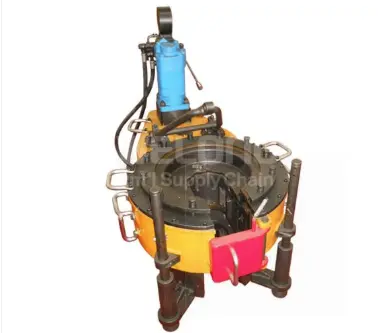
A tubing power tong is considerably more than a handy replacement for manual tongs; it is a precise instrument which standardises connection quality, speeds every trip and eliminates staff from the most dangerous activities on the rig floor. It provides regulated torque on all sizes of completions, workovers and interventions with its hydraulic drive, inner curved cam clamping and integrated backup tong. Buyers who match torque capacity and size range to their programs, insist on certified build quality, and select suppliers with proven delivery performance find this tool pays for itself quickly. The appropriate tubing power tong changes connection work from a bottleneck to a competitive advantage.
FAQ
Q1: What tubing sizes can a tubing power tong handle?
Most models cover a practical range of standard tubing diameters, typically from around 2-3/8" up to 4-1/2" or larger, depending on the model selected. Switching between sizes usually requires only a die and jaw change, so one tubing power tong can serve multiple string designs across a varied well portfolio without additional capital investment.
Q2: What is the difference between a tubing power tong and manual tongs?
Manual tongs rely on crew strength and pull-line tension, producing inconsistent torque and significant safety exposure. A tubing power tong uses hydraulic power with a curved cam clamping mechanism and an integrated backup tong, delivering calibrated, repeatable torque at higher speed while the operator works from a protected control position away from the connection.
Q3: What certifications and inspections should I request when purchasing?
Request ISO 9001:2015 and API 7-1 certification from the manufacturer, plus documented in-process and final inspection reports for each unit. For critical applications, third-party inspection through agencies such as SGS or DNV adds independent verification. Reputable suppliers will arrange these inspections as part of their standard service before shipment.
Get Your Tubing Power Tong Solution From WELONG
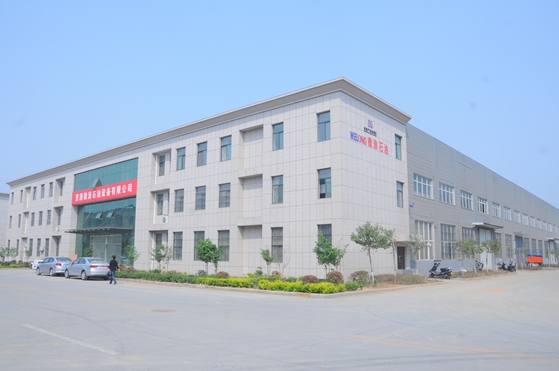
Ready to upgrade your tubing handling operations? Founded in 2001, China WELONG is a professional international supply chain service provider specializing in oilfield products and customized solutions, certified to ISO 9001:2015 and API 7-1. Our tubing power tongs—available in multiple models, sizes, and types with hydraulic backup tongs and inner curved cam clamping—are manufactured under strict quality control and supported by SGS and DNV third-party inspection options. With flexible transport by sea, air, or railway and terms from FOB to DDP, we deliver on time, wherever your rigs operate. Contact our team today at oiltools@welongpost.com for a tailored quotation and expert support.
References
1. American Petroleum Institute. API Specification 7K: Drilling and Well Servicing Equipment, 6th Edition. API Publishing, 2015.
2. International Association of Drilling Contractors. IADC Drilling Manual, 12th Edition. IADC, 2015.
3. Lyons, William C., and Gary J. Plisga. Standard Handbook of Petroleum and Natural Gas Engineering, 2nd Edition. Gulf Professional Publishing, 2005.
4. Bommer, Paul M. A Primer of Oilwell Drilling: A Basic Text of Oil and Gas Drilling, 7th Edition. University of Texas at Austin Petroleum Extension Service, 2008.
5. Wan, Renpu. Advanced Well Completion Engineering, 3rd Edition. Gulf Professional Publishing, 2011.
6. Azar, J. J., and G. Robello Samuel. Drilling Engineering. PennWell Publishing, 2007.
Share your inquiry, get the quotation accordingly!
CHINA WELONG - 20+ years manufactuer in oilfield tools