Where to Buy a Choke Manifold: Supplier and Import Guide
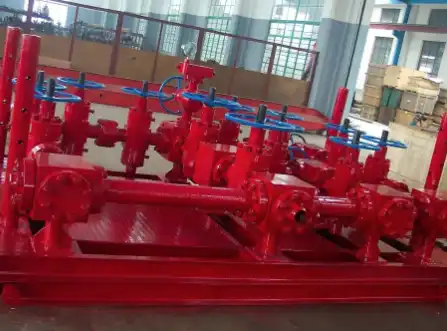
When sourcing a choke manifold for drilling operations, it is important to carefully evaluate supplier credentials, equipment specifications, pressure ratings, and compliance with oilfield regulations. A choke manifold is an important part of well-control and pressure-management systems, allowing operators to control wellhead pressure during drilling operations and avoid blowouts using balanced pressure procedures. International purchasers must evaluate manufacturing capabilities, technical knowledge, quality assurance processes, regulatory compliance, and logistical assistance before committing to equipment acquisitions. This article offers practical advice on how to discover trusted suppliers of choke manifolds and how to set quality requirements when importing this safety-critical equipment.
What Should Buyers Know Before Purchasing a Choke Manifold from Suppliers?
Understand Pressure Rating and System Integration Requirements
Buyers need to carefully identify the pressure rating, hole size, and connection requirements for their drilling operations before buying a choke manifold. The choke manifold has to interact with the BOP spool, blowout preventer stack, and well control system, which means there needs to be coordination between the components. The equipment should be rated for the maximum anticipated casing pressure and be designed to perform reliably under the pressure conditions envisaged in the drilling program. Incorrect pressure specification might jeopardize well-control efficacy or necessitate expensive field changes. Professional suppliers should ask for full information on the drilling program and technical verification that the suggested choke manifold arrangement meets the requirements of the system.
Verify API Specification Compliance and Standards Alignment
A choke manifold must meet the necessary API standards such as API Specification 6A (wellhead equipment), API Specification 16C (drilling spool and adaptor specifications), and NACE MR-0175 (corrosion-resistant material requirements for sour service). The standards provide design criteria, material specifications, pressure-testing methods, and documentation expectations. Buyers should insist that the proposed choke manifold be certified to these criteria and should study material certifications, pressure-test paperwork, and design calculations before manufacture. The compliance paperwork protects the customer and demonstrates that the equipment fulfills established industry criteria.
Assess Footprint and Transportation Constraints
Modern drilling operations are increasingly focusing on decreased equipment footprint and weight to minimize transportation costs and environmental impact. The lighter weight and smaller footprint of the choke manifold means ordinary freight alternatives are acceptable, rather than specialist heavy-equipment shipping. Buyers need to make sure that the suggested choke manifold design is compatible with existing transportation options and will fit within the space limits on the rig or wellhead platform. Proactively understanding transportation and space needs may avoid logistical problems and surprises that may delay a project.
How to Identify a Reliable Choke Manifold Manufacturer for Oilfield Projects?
Verify Long-Term Oilfield Manufacturing Experience
A good choke manifold maker should have a lot of expertise in manufacturing pressure control equipment for drilling operations. China Welong has been focusing on oilfield goods for over 20 years, with long-term dedication to well-control equipment dependability and safety. Manufacturing experience with knowledge of severe drilling conditions, regulatory concerns, and field performance criteria. Buyers may judge experience by looking at earlier projects, production capacity, manufacturing facilities, and technical depth by engaging in thorough discussions on choke manifold design and customisation.
Check Certifications and Quality Management Systems
A reputable supplier of choke manifolds should be ISO 9001:2015 certified to demonstrate a structured quality management system and API 7-1 certified to demonstrate compliance with oilfield equipment requirements. The certificates demonstrate that the supplier has documented processes for materials management, production planning, in-process inspection, final testing, and continuous improvement. The certificates guarantee that quality control is conducted equally across all industrial operations and is not selective. Buyers should check the validity of certificates and learn how quality management processes are relevant to the manufacture of choke manifolds.
Evaluate Technical Communication and Problem-Solving Capability
The manner in which a choke manifold provider answers technical questions is a good indicator of their level of involvement and knowledge. Good vendors will ask detailed questions regarding your drilling program specifications, well control situations, pressure ratings, connection standards, fluid kinds, and operating environment. They should include extensive technical explanations of how the suggested choke manifold arrangement supports the drilling process. Suppliers that understand the importance of technical requirements and give considered solutions will tend to supply dependable equipment and timely assistance across the project lifetime.
Key Supplier Capabilities to Evaluate When Sourcing Choke Manifold Equipment
Pressure Testing and Certification Capability
A good choke manifold provider should have rigorous testing equipment and processes to ensure the integrity of the equipment before delivery. Tests should include hydrostatic pressure tests at pressures greater than the rated working pressure, leak detection techniques, verification of valve performance, and documentation of test findings. Buyers should ask specific questions about: test processes, acceptance criteria, test pressures, hold durations, and the paperwork supplied with completed tests. A supplier with contemporary testing facilities and rigorous testing processes instills more trust in the quality and dependability of the equipment.
Choke Valve Integration and Performance Verification
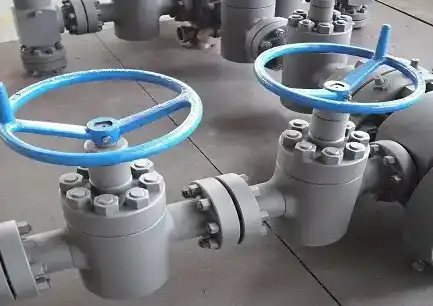
The choke manifold includes choke valves, gate valves, and other control elements. These elements have to work reliably under different pressure and temperature circumstances. The qualified supplier should have methods to check that all integrated valves are functioning correctly, are properly sealed, and are responding correctly to the control inputs. Buyers should inquire about procedures for testing the valves, verifying pressure drop, inspecting the sealing surfaces, and demonstrating functionality. It is crucial that all components of the valve have been tested and proved separately, and this should be documented to provide quality assurance.
Material Traceability and Corrosion-Resistant Design
The choice of materials for a choke manifold will have a direct bearing on its resistance to corrosion, erosion, and chemical assault from wellbore fluids. A competent supplier provides full material traceability, including certifications of material grade, source, and test results. Special material grades compliant with NACE MR-0175 may be necessary if the choke manifold is to be used in sour service or corrosive conditions. Suppliers will discuss material selection in depth and provide evidence to show that products fulfill specified specifications and expected service conditions.
Actuator Options and Control System Flexibility
Choke manifolds are now available with either manual or hydraulic actuators, the latter providing remote pressure control from the rig floor. A good provider will be able to offer a variety of actuator configurations and to describe the operating benefits of each. The choke manifold provider should communicate with drilling contractors to make sure the chosen mode of actuation connects appropriately with existing control systems. The flexibility in actuator selection enables the customer to tailor the choke manifold to his own operating preferences and rig capabilities.
What Questions Should Importers Ask Choke Manifold Manufacturers Before Cooperation?
What Is Included in the Complete Supply Scope?
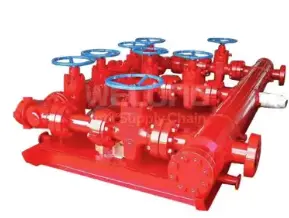
For the order of the choke manifold, the importers should request a full list of equipment that should contain all items that will be in the delivery package. The list should include the body, all integrated valves (choke valves, gate valves), line pipes, fittings, pressure gauges, actuators, control connections, test ports, lifting lugs, protective coating, and any accessories. Knowing the full extent of the supply means you can avoid arguments over what is included, and you can compare alternative supplier quotes on a level playing field. Also, the provider should mention whether replacement parts, operating manuals, test certificates, or lifting equipment are included or may be added as an option.
What Testing and Certification Documentation Is Provided?
Prior to ordering, importers should check precisely what inspection and test documents will be included with the choke manifold. Standard documentation should include certifications of material for all pressure-containing components, dimensional inspection reports, hydrostatic pressure-test records, valve function verification reports, visual inspection pictures, and final acceptance certificates. Importers should inquire whether third-party inspection may be undertaken and what will be included in the inspection report. A clear understanding of the extent of documentation ensures that the supplied equipment package has the required proof of quality verification and regulatory compliance.
How Long Is the Production Schedule and When Can Inspections Occur?
Importers should develop realistic manufacturing schedules and know when inspection and quality verification may be carried out. The manufacturing time depends on the complexity of the choke manifold, availability of materials, present workload of the production facility, and the need for customisation. Buyers must seek a projected timetable for procurement of materials, manufacture, in-process inspection, final testing, creation of paperwork, and packaging. They should also determine when third-party inspection may be performed and what the inspection time frame will be in relation to the delivery schedule. Clear timeframe agreement helps to assure equipment availability when required.
Can the Choke Manifold Be Customized for Specific Drilling Applications?
Sometimes specific designs of choke manifolds are required for certain drilling programs such as non-standard bore diameters, complex valve arrangements, custom pressure ratings, or unique connection details. Importers should inquire of the provider about the possibility of modifying standard designs and the availability of technical assistance. A bespoke oilfield solutions provider may tailor the choke manifold to individual well-control requirements, wellhead stack integration requirements, or area regulatory requirements. The option to customize and any lead-time or cost consequences allow importers to pick the provider most suited to their technical needs.
How to Choose a Choke Manifold Supplier for Customized Drilling System Requirements?
Provide Complete Technical Requirements for Accurate Quotation
The sourcing process of a bespoke choke manifold starts with the supplier receiving detailed technical requirements. The drilling teams should specify: expected casing pressure, bore size requirements, connection sizes and styles, pressure ratings, fluid types, operational temperature range, planned service life, and any regional compliance needs. The more detailed the technical information supplied in the first request, the better the supplier will comprehend the application and provide an accurate and reasonable price. Incomplete requirements may lead to design changes, delays, and unforeseen expenditures.
Assess Engineering Support and Design Coordination
The provider supplying bespoke choke manifold solutions should have skilled engineering assistance and easy design collaboration. The supplier will provide preliminary design drawings, review technical requirements with the buyer’s engineering team, receive clearance on essential design elements, and keep open lines of communication throughout development. A provider with good technical competence may recommend solutions that maximize performance and control expenses well. Final design assessments and technical talks guarantee that the end choke manifold fits all stipulated specifications.
Plan for Integrated Testing and Performance Verification
Customized choke manifold equipment should be tested and installed to ensure all components work together as specified. Testing should be carried out by the provider on components, sub-assemblies, whole systems, and pressure verification according to an established test plan. Buyers should be involved in the definition of test methods and acceptance criteria and should arrange to observe essential test activities whenever feasible. Thorough testing of specialized equipment gives more assurance that the equipment will work reliably in field service.
Conclusion
When selecting a dependable choke manifold provider, it is essential to consider technical experience, production capabilities, quality standards, API compliance, and customizable flexibility. Buyers should check pressure ratings, connection requirements, material specifications, and testing methods before placing orders. Suppliers such as China Welong offer customized well control systems, a quality management framework, third-party inspection coordination, and timely worldwide logistical assistance. Importers may get choke manifold equipment that interfaces well with drilling systems and supports safe and efficient pressure-control operations via a disciplined supplier assessment procedure and clear technical communication.
FAQ
1. What standards does a choke manifold need to comply with?
A choke manifold should comply with API Specification 6A (wellhead equipment), API Specification 16C (drilling spool and adapter specifications), and NACE MR-0175 (corrosion-resistant materials for sour service). These standards establish design requirements, material specifications, pressure-testing procedures, and documentation expectations for well-control equipment.
2. Can a choke manifold be customized with different actuator options?
Yes. A choke manifold can be provided with manual actuators, hydraulic actuators, or both options. Hydraulically actuated components allow remote pressure control from the rig floor, while manual options provide simple, reliable operation. The supplier should coordinate actuator selection with your drilling operation's control systems and operational preferences.
3. What pressure testing is performed on a choke manifold before delivery?
A professional supplier performs hydrostatic pressure testing at pressures exceeding the rated working pressure, leak detection procedures, valve function verification, and visual inspection. Third-party inspection through organizations such as SGS or DNV can be arranged when required. Buyers should receive certified test reports confirming successful completion of all quality checkpoints before delivery.
Source Reliable Choke Manifold Equipment From WELONG
Protect your well-control operations with a dependable choke manifold from China Welong. Our choke manifolds are engineered to comply with API Specification 6A, API Specification 16C, and NACE MR-0175 standards, providing reliable pressure management for drilling operations. With over twenty years of oilfield equipment manufacturing experience and ISO 9001:2015 and API 7-1 certifications, WELONG delivers equipment that meets stringent quality and safety standards. Our choke manifolds feature reduced weight and footprint for efficient transportation, offer manual and hydraulic actuator options, and can be configured with fixed or lifting bases to suit your operational requirements. We provide comprehensive testing, third-party inspection coordination, and flexible global delivery by sea, air, or rail using FOB, CIF, DDP, or DDU terms. Contact WELONG at oiltools@welongpost.com to discuss your well-control requirements, request technical specifications, or receive a customized choke manifold quotation for your drilling program.
References
1. American Petroleum Institute. Specification for Wellhead and Christmas Tree Equipment, API Specification 6A.
2. American Petroleum Institute. Specification for Drilling Spool and Adapter Connections, API Specification 16C.
3. American Petroleum Institute. Recommended Practice for Control of Wellbore Pressure, API Recommended Practice 53.
4. NACE International. Sulfide Stress Cracking Resistant Metallic Materials for Oilfield Equipment, NACE MR-0175.
5. Bourgoyne, A. T., Millheim, K. K., Chenevert, M. E., and Young, F. S. Applied Drilling Engineering.
6. Grace, R. D. Blowout and Well Control Handbook.
Share your inquiry, get the quotation accordingly!

CHINA WELONG - 20+ years manufactuer in oilfield tools